Jul 1, 2025
What to Pack for Soccer Summer Camp: Complete Gear Checklist for Kids
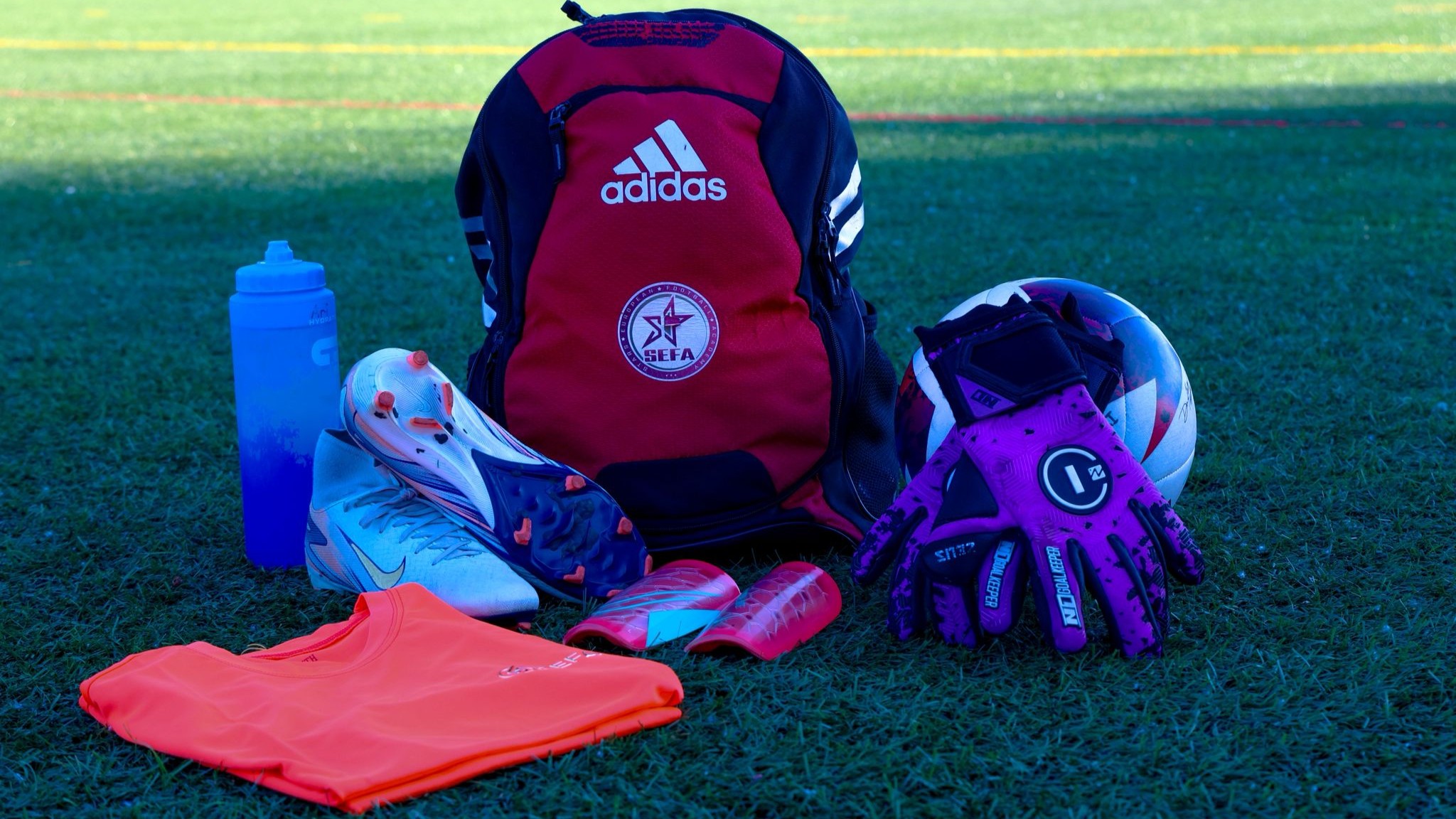
How to Pack Soccer Summer Camp Essentials: A Parent's Stress-Free Guide
Essential Soccer Gear to Pack
Getting your child ready for soccer summer camp starts with the right gear. The proper equipment will boost performance and give your child a safe experience during intense soccer training sessions.
Soccer cleats and indoor shoes
Soccer shoes are the foundations of performance, and players need both cleats and indoor shoes at summer camp. Your young player should break in their soccer shoes before camp starts to avoid painful blisters. Players need two types of footwear because many camps switch between outdoor fields and indoor facilities based on weather. Cleats give players the grip they need on grass and turf fields. Tennis or basketball shoes work well for indoor surfaces, gym activities, or specialized drills. Quality footwear supports the feet, lowers injury risk and helps with ball control and movement.
Shin guards and goalie gloves
Safety gear needs special attention in your soccer camp packing list. Shin guards protect legs from kicks and tackles. Pick shin guards that fit well and cover both shin and ankle areas. Young goalkeepers need specialized gloves that should stay dry and in good shape to grip the ball well. Youth goalkeeper gloves come in various sizes with features like padding and materials that help performance.
Soccer ball (age-appropriate)
The right size soccer ball helps develop skills at camp. Each age group needs a specific ball size. Kids aged 5-8 years do best with a Size 3 ball that measures 23-24 inches around and weighs 300-320 grams. Players between 8-12 years should use a Size 4 ball (25-26 inches around), while those 13 and older need a regulation Size 5 ball with 27-28 inches circumference. The right ball size lets players learn proper technique instead of struggling with equipment that's too big or heavy. Write your child's name and phone number on their ball to avoid mix-ups during group training.
Sports bag with compartments
A well-laid-out sports bag makes camp easier by keeping gear available and organized. Soccer bags should have separate spaces for clean clothes, sweaty gear and muddy cleats. A good sports bag has mesh pockets for water bottles, side pockets for small items, and space for clothes and towels. Backpack-style bags with compartments make it easy to carry everything while staying organized.
Clothing for All Weather Conditions
Soccer summer camp weather can be unpredictable. Young athletes need the right clothing to stay comfortable during their training sessions. The right apparel lets players focus on developing their skills, whether they face scorching morning practices or unexpected afternoon showers.
Breathable t-shirts and shorts
Every soccer player needs lightweight, moisture-wicking tops and bottoms. Synthetic materials like polyester and recycled polyester barely absorb water and dry quickly. These fabrics stretch well and are easy to maintain during long camp stays. Players should skip cotton items for soccer activities during summer camps. Players need athletic shorts made from breathable materials. Good athletic wear keeps body temperature steady and pulls sweat away from the skin.
Rain jacket and warm layers
Summer camp weather can throw a curveball. A lightweight rain jacket is essential. Soccer camps often continue rain or shine. Layering is vital for temperature control. A good layering strategy has three parts: Base layer that wicks sweat off the skin, middle layer that retains body heat for protection against cold, and outer layer that shields from wind and rain. A lightweight fleece or jacket provides warmth during chilly mornings or after sweaty sessions when body temperature drops.
Extra socks and performance underwear
High-quality socks are one of the most overlooked items to pack for soccer camp. Performance socks that reach the knee keep shin guards secure while providing cushioning and support. Players should pack multiple pairs since they'll use several each day. Soccer-specific socks offer extra padding in high-impact areas. Performance underwear keeps players comfortable and hygienic. Synthetic or merino wool options work better than cotton because they handle moisture well.
Swimsuit and flip-flops for showers
Post-training hygiene items are essential. Flip-flops or shower sandals are must-haves for communal shower facilities. Experienced camp parents suggest perforated shower shoes that drain and dry quickly. Some soccer camps include swimming or water-based recovery sessions. Players should pack appropriate swimwear to join all camp activities. Shower sandals protect against foot conditions that spread in shared shower facilities and give good traction on wet surfaces.
Health, Hygiene, and Safety Items
Soccer summer camp requires more than just cleats and jerseys. Your health and hygiene are vital parts of performing well on the pitch. The right health items protect young athletes who train hard under the summer sun.
Toiletries in a waterproof bag
Good hygiene at soccer camp is a must. Pack your toiletries in a waterproof bag to stop leaks from ruining other camp gear. Multi-compartment shower bags and toiletry kits keep personal items organized. Your toiletry list should have antimicrobial soap, shampoo, conditioner, deodorant, and toothpaste. Players also need foot powder to stop athlete's foot, which spreads fast in shared showers.
Sunscreen and bug spray
You can't skip protection from the sun and bugs at soccer camp. Pick a broad-spectrum sunscreen with SPF 30 or higher. Put it on 15-30 minutes before going outside. Make sure to add more sunscreen every two to three hours during outdoor activities, especially after heavy sweating or swimming. Bug sprays with DEET work best against mosquitoes. Kids aged 2-12 should use products with 10% or less DEET. Players over 12 can use up to 30%. Put sunscreen on first, then wait 15-30 minutes before applying bug spray.
Basic first aid kit
Scrapes and bruises happen in soccer. A good first aid kit needs adhesive bandages in various sizes, gauze pads and adhesive tape, antiseptic wipes or hydrogen peroxide, cold packs for sprains and bruises, tweezers for splinter removal, and small scissors for cutting tape or bandages. Elastic wraps are a great way to get support for minor ankle or wrist injuries that pop up during hard training.
Any prescription medications
Keep all prescription medications in their original containers with clear labels and instructions. Parents should talk to camp staff about medication schedules and side effects. Most soccer clubs want medications turned in at registration instead of staying with players. Emergency medications like epinephrine auto-injectors or asthma inhalers need special care. These items need specific storage and must be easy to reach during camp activities.
Hydration, Snacks, and Energy Boosters
Young athletes need strategic planning for soccer summer camp that goes beyond packing gear and clothing. Proper hydration and nutrition can make the difference between a player who fades quickly and one who performs at peak levels during intensive training sessions.
Reusable water bottle with name label
A high-quality water bottle is essential for proper hydration at soccer summer camp. Young athletes need approximately 3-8 ounces of fluid every 20 minutes during intense activity. Multiple campers carry similar-looking bottles, so proper labeling becomes significant to avoid mix-ups. Parents can pick from several labeling options that include personalized silicone bands, write-on labels, or custom stickers that hold up through dishwasher cycles.
Electrolyte drink powders
Plain water isn't always enough during long soccer summer camp activities. Electrolyte drinks become essential when practices run longer than 60 minutes or happen in hot weather. Young soccer players need about 250 milligrams of sodium per hour of intense activity. Electrolyte powders mixed with water are a convenient way to maintain proper muscle function and prevent cramps. Read labels carefully to avoid products loaded with sugar or artificial ingredients.
Healthy snacks like granola bars and fruit
Players need proper fuel between training sessions to perform their best. Quick-digesting carbohydrates paired with proteins give ideal energy for soccer classes and recovery. Smart choices include trail mix with nuts, whole grain cereal, and dried fruit. Energy bites made from oats, nut butter, honey and seeds offer balanced nutrition in an easy-to-carry package. Fresh fruits like orange slices, bananas, and apples provide quick energy and essential vitamins that make perfect halftime fuel.
Extras That Make Camp More Enjoyable
The right gear builds the foundation of a great soccer summer camp experience. But those extra items can revolutionize a good camp into an unforgettable one. These additional must-haves create moments of joy and comfort between intense training sessions at the soccer academy.
Notebook and pen for journaling
Elite soccer clubs encourage players to document their experience. A quality notebook serves many purposes. Players can record coach feedback, track improvement, or simply write about their daily experiences. Young athletes who keep training diaries develop better self-awareness about their progress. This reflection helps them spot patterns in their performance and set achievable goals for upcoming sessions.
Entertainment: books, cards, or small games
Rest periods between training sessions create perfect opportunities to relax and bond with teammates. Small card games help build teamwork outside regular soccer classes. Books offer quiet relaxation after tough physical drills. Soccer camp directors recommend games that build strategic thinking like chess, checkers, or UNO. These games complement the decision-making skills players develop on the pitch.
Final Whistle: Packing Smart for Soccer Success
Packing for soccer summer camp takes more than just tossing a few shirts and a ball into a duffel bag. This article covers the full playbook—from gear that protects young athletes to weather-appropriate clothing that keeps them comfortable during those grueling drills. Good preparation forms the foundation of a successful soccer academy experience. Parents who follow this complete checklist help their young stars focus on developing skills instead of missing equipment.
Simple extras like journals and comfort items turn regular camp days into lasting memories. Smart packing of nutritional support—specifically electrolytes and energy-boosting snacks—gives young athletes the fuel they need to perform at their peak during demanding soccer club schedules.
The reality on the sideline is simple: prepared players show more confidence on and off the pitch. Ready to put these essentials into action? Register now for Sefa Soccer Summer Camps and give your child an unforgettable soccer experience! Their well-laid-out programs create the perfect environment to apply everything mentioned here.